Amulets, Charms & Talismans

In magic and witchcraft, certain objectives are used which act as mystical telephone numbers, summoning a specific power, be it a God, an angel, an elemental force or kind of luck. These mystical objects can differ for witches and for ceremonial magicians. Witches tend to use charms and these are natural objects. Ceremonial magicians, however, will make items specifically for their working. They make these using astrological principles and with particular thought for the purpose in mind. Talismans are a means of drawing down power of the planets into a scrool, or an object, which can then be used as a powerful magical tool.
There are many types of amulets, charms and talismans, they can be a very powerful and effective tool in the hands of a master or mistress of the craft. Talismans-making is a skill that is important for every witch to learn. They are made from way or metal or, more commonly now, coloured paper, if you want to make a talisman you will need to establish the colour, materials, day and god forms related to the subject of your talisman, and gather such equipment as you need in order to make it. You can simply manufacture the charm and then consecrate it on your own, or you can make it magical. As you become more experienced, you will find it easier.
Now here i will give some of the many amulets, charms and talismans out there and its use, so it will be easy to find them if ever anyone need it, feel free to add yours in this topic if you have knowledge on them!
77 replies
AMULETS :
 Amulets can take all shapes and will have particular relevance of the person who carries one. They are often created in the form of an eye, or made in the shape of a hand, like the Arabia Hand of Fatima, which wards off harm. An amulet has a single purpose and may be worn or carried all the time, or the form may be painted onto items such as boats to draw safe passage and good luck to those who use it.
Amulets can take all shapes and will have particular relevance of the person who carries one. They are often created in the form of an eye, or made in the shape of a hand, like the Arabia Hand of Fatima, which wards off harm. An amulet has a single purpose and may be worn or carried all the time, or the form may be painted onto items such as boats to draw safe passage and good luck to those who use it. CHARMS :
 An example of the charms used in witchcraft are stones with natural holes in them. These perforated flints or fossils are called holy or holey stones and were used to prevent harm from coming to animals. The stones were collected, often from a beach or river bank, and hung on red wool or ribbon over the doors of cattle sheds or stables. This was to stop elves coming and milking the cows, or night hags riding the horses in the hours of darkness. It was supposed that evil forces would be attracted to the holes in the stones and try to get through, and so become trapped. Traditionally, these stones were thrown into running water after seven years so that any harm trapped in them would be washed away, then new stones were found and hung up. Other charms include herbs; mint for money if carried in the purse, sage for wisdom, oak to protect from lightning when put into a small red cloth bag and worn everyday. Some fossils were thought to have magical powers; belemnites were believed to be "elf shot", arrows fired by spirits to make cattle sick, and ammonites were snakes turned to stone by the magic of wizards or Christian saints. Folklore is full of these simples which were carried for protection, to bring health or luck. Charms are always some natural substances, perhaps a strange share, such as four-leaved clovers which bring luck, and pebbles in the shape of an eye, which are thought to be protective.
An example of the charms used in witchcraft are stones with natural holes in them. These perforated flints or fossils are called holy or holey stones and were used to prevent harm from coming to animals. The stones were collected, often from a beach or river bank, and hung on red wool or ribbon over the doors of cattle sheds or stables. This was to stop elves coming and milking the cows, or night hags riding the horses in the hours of darkness. It was supposed that evil forces would be attracted to the holes in the stones and try to get through, and so become trapped. Traditionally, these stones were thrown into running water after seven years so that any harm trapped in them would be washed away, then new stones were found and hung up. Other charms include herbs; mint for money if carried in the purse, sage for wisdom, oak to protect from lightning when put into a small red cloth bag and worn everyday. Some fossils were thought to have magical powers; belemnites were believed to be "elf shot", arrows fired by spirits to make cattle sick, and ammonites were snakes turned to stone by the magic of wizards or Christian saints. Folklore is full of these simples which were carried for protection, to bring health or luck. Charms are always some natural substances, perhaps a strange share, such as four-leaved clovers which bring luck, and pebbles in the shape of an eye, which are thought to be protective. TALISMANS :
 Talismans are carefully created by the magician or witch for a particular short-term aim. They can be focused on healing a broken leg, for example, or success at a job interview. Ideally they should be made for the person whose life is intended to change. Today they might be made of coloured paper, but in the past they were sometimes made of precious metal, set with jewels, or they could be written in magical ink on parchment, or even on the hand of the sick person, or carved into wood or marked on soft clay and baked. The art of making talismans is extreanky ancient. Some that have been found on archeological digs in Mesopotamia seem to predate writing, and it is possible that the various alphabets developed from the symbols used to request magical help.
Talismans are carefully created by the magician or witch for a particular short-term aim. They can be focused on healing a broken leg, for example, or success at a job interview. Ideally they should be made for the person whose life is intended to change. Today they might be made of coloured paper, but in the past they were sometimes made of precious metal, set with jewels, or they could be written in magical ink on parchment, or even on the hand of the sick person, or carved into wood or marked on soft clay and baked. The art of making talismans is extreanky ancient. Some that have been found on archeological digs in Mesopotamia seem to predate writing, and it is possible that the various alphabets developed from the symbols used to request magical help.pENTAGRAM:
 the five-pointed pentagram represents earth, air, fire, water, and spirit. It is worn by white witches as a religious symbol and also to protect them against evil.
the five-pointed pentagram represents earth, air, fire, water, and spirit. It is worn by white witches as a religious symbol and also to protect them against evil.SHAMROCK:
 the lucky, four-leafed shamrock derives from druidic times and was probably thought to be a lucky find because it is so rape. The normal, three-leafed shamrock represents the Holy Trinity. When St. Patric was bringing Christianity to Ireland, he used a shamrock to illustrate the idea of "three in one."
the lucky, four-leafed shamrock derives from druidic times and was probably thought to be a lucky find because it is so rape. The normal, three-leafed shamrock represents the Holy Trinity. When St. Patric was bringing Christianity to Ireland, he used a shamrock to illustrate the idea of "three in one."ZODIAC:
 wear your sign of the zodiac in order to invoke the god or goddess that is associated with it.
wear your sign of the zodiac in order to invoke the god or goddess that is associated with it.TORTOISE:
 for a long life and protection against bad people or being drawn into doing evil.
for a long life and protection against bad people or being drawn into doing evil.UMBRELLA:
 the umbrella in its present form was prefected by an Italian immigrant to England who lived in Hanway street, just off Tottenham Court Road, in London, and was sick of being drenched by the downpours of the rainy city. Parasols were used before umbrellas to keep the sun off people faces, as it was once considered bad form for a lady to allow her skin to become sunburned. Parasols have been used for centuries in the Orient, and the umbrella is a Hindu mascot that is also venerated as one of the "eight glorious emblems of Buddha" that bring great fortune with them.
the umbrella in its present form was prefected by an Italian immigrant to England who lived in Hanway street, just off Tottenham Court Road, in London, and was sick of being drenched by the downpours of the rainy city. Parasols were used before umbrellas to keep the sun off people faces, as it was once considered bad form for a lady to allow her skin to become sunburned. Parasols have been used for centuries in the Orient, and the umbrella is a Hindu mascot that is also venerated as one of the "eight glorious emblems of Buddha" that bring great fortune with them.STAR:
 humans have always viewed stars as good-luck symbols. Even antireligious communist Russia and China used a star as a national symbol.
humans have always viewed stars as good-luck symbols. Even antireligious communist Russia and China used a star as a national symbol.SPIDER:
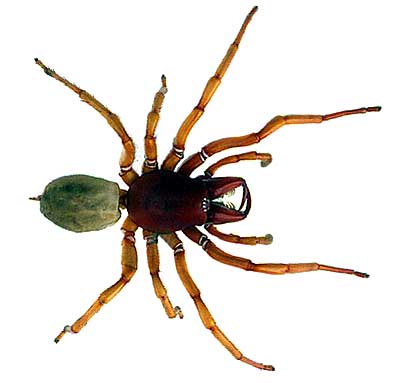 the Romans regarded the spider as a lucky symbol, especially for business or trading.
the Romans regarded the spider as a lucky symbol, especially for business or trading.SNAKE:
 a snake is for a long life and wisdom, as well as good health and a great sex life.
a snake is for a long life and wisdom, as well as good health and a great sex life.SHOE:
 a shoe denotes protection against enemies.
a shoe denotes protection against enemies.SCISSORS:
 use scissors to but away bad influences or anything else that you need to be rid of.
use scissors to but away bad influences or anything else that you need to be rid of.SALT:
 salt is considered to be a powerful agent against black magic, bad vibes, and danger from the jealousy and and hatred of others. Put a little in a silver pendant and wear it around your neck.
salt is considered to be a powerful agent against black magic, bad vibes, and danger from the jealousy and and hatred of others. Put a little in a silver pendant and wear it around your neck.RING:
 a ring symbolizes eternal love and marriage.
a ring symbolizes eternal love and marriage.pADLOCK:
 a padlock brings health and also happiness. The Chinese give silver lockets to children as a protection from diseases and for longevity
a padlock brings health and also happiness. The Chinese give silver lockets to children as a protection from diseases and for longevitypEARL:
 eastern divers carried pearls as a charm against sharks. The Chinese use ground pearl for stomach upsets and the Romans used them as a cure for lunacy.
eastern divers carried pearls as a charm against sharks. The Chinese use ground pearl for stomach upsets and the Romans used them as a cure for lunacy.MISTLETOE:
 although attributed to the druids, this is a norse charm that was said to be good for lovers. Mistletoe should never be carried into any sacred building or used in church decorations, probably due to its pagan origin.
although attributed to the druids, this is a norse charm that was said to be good for lovers. Mistletoe should never be carried into any sacred building or used in church decorations, probably due to its pagan origin.MAGNET:
 for attracting luck and also for good health.
for attracting luck and also for good health.KEY:
 a key talisman is for love to last and for projects and ideas to come to fruition. It is so ancient that it goes right back to Neolithic times and was used to guard the doorway of a hut against evil entering. Three keys unlock the doors to love, health, and wealth.
a key talisman is for love to last and for projects and ideas to come to fruition. It is so ancient that it goes right back to Neolithic times and was used to guard the doorway of a hut against evil entering. Three keys unlock the doors to love, health, and wealth.
